Labiaplasty in Turkey: Procedure, Recovery, Cost & What to Expect
Labiaplasty in Turkey: Procedure, Recovery, Cost & What to Expect
Labiaplasty in Turkey is an option for women who are considering surgical reshaping of the labia for physical discomfort, functional concerns, asymmetry or personal aesthetic preferences.
At Anew You Travel, we help international patients access personalised gynaecological care in Istanbul, from the initial consultation with Dr. Berra Önsoy to surgery, accommodation planning and post-operative follow-up.
Every woman’s anatomy and expectations are different. For this reason, labiaplasty should begin with an individual medical assessment rather than a standardised approach.
What Is Labiaplasty?
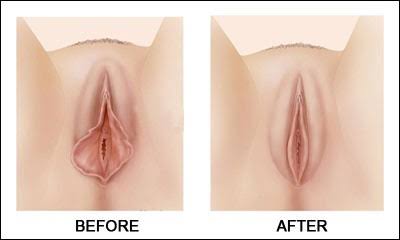
Labiaplasty is a surgical procedure designed to reshape or reduce the labia, usually the labia minora (the inner folds of the vulva).
For women considering labiaplasty in Turkey, understanding the procedure, recovery process and possible risks is an important part of making an informed decision.
There is a wide range of normal vulval anatomy, and the appearance and size of the labia vary considerably from woman to woman. Having longer, asymmetrical or more prominent labia does not necessarily mean that anything is medically wrong.
For some women, however, the size or shape of the labia can be associated with physical discomfort or concerns about appearance. Labiaplasty may be considered after a thorough consultation when the procedure is appropriate for the individual patient.
There is no single reason why a woman may consider labiaplasty.
Some women seek treatment because of physical or functional discomfort, while others are primarily concerned about the appearance of their vulva.
Reasons may include:
- Discomfort caused by friction from underwear or tight clothing
- Discomfort during exercise or activities such as cycling
- Repeated irritation in the area
- Discomfort during sexual activity
- Noticeable asymmetry of the labia
- Changes following childbirth
- Personal concerns about the appearance of the vulva
- A desire to address excess or uneven labial tissue
It is important to distinguish symptoms caused by the labia from other vulval conditions. Persistent itching, pain, irritation, skin changes or recurrent symptoms should be medically assessed before considering surgery.
-
Labiaplasty may be considered for an adult woman who:
- Has concerns about the size or shape of her labia
- Experiences physical discomfort that may be related to the labia
- Has realistic expectations about what surgery can and cannot achieve
- Understands the potential risks and recovery process
- Is in suitable general health for surgery
- Has discussed her concerns and expectations with a qualified doctor
The decision to undergo labiaplasty should be individualised. A consultation is important to determine whether the symptoms or concerns are actually related to the labia and whether surgery is an appropriate option.
Labiaplasty is not recommended for girls under 18. The labia continue to develop during puberty, and professional guidance emphasises the importance of fully informed consent and appropriate assessment in adults considering the procedure.

How Is Labiaplasty Performed?
Labiaplasty surgery in Turkey is planned according to the patient’s individual anatomy, concerns and treatment goals.
The exact surgical approach depends on your anatomy and the treatment plan developed during your consultation.
During labiaplasty, excess labial tissue may be carefully removed and the remaining tissue reshaped. Fine sutures are generally used to close the treated area.
Labiaplasty can be performed under local anaesthesia, sometimes with sedation, or under general anaesthesia depending on the individual case and surgical plan.
The operation itself commonly takes around one to two hours, although the duration can vary depending on the technique and whether additional procedures are performed.
What Happens After Labiaplasty?
Some swelling, bruising, tenderness and discomfort are expected during the early recovery period.
You may experience discomfort when sitting or urinating during the first days after surgery. Swelling and bruising can take time to settle, and complete healing may take several weeks.
Your doctor will provide individual post-operative instructions based on your surgery and recovery.
General recommendations may include:
- Keeping the area clean according to your doctor’s instructions
- Wearing loose and comfortable clothing
- Avoiding activities that cause friction or pressure
- Taking prescribed medication as instructed
- Avoiding strenuous exercise until you have been advised that it is safe
- Attending your recommended follow-up appointment
Labiaplasty Recovery: What to Expect
Recovery after labiaplasty in Turkey is an important part of the treatment journey and should be planned before travelling home.
The First Few Days
The first few days are usually when swelling and tenderness are most noticeable.
Rest is important, and you should avoid activities that place pressure or friction on the surgical area.
Walking gently may be encouraged, but your exact activity level should follow your surgeon’s instructions.
The First 1–2 Weeks
Swelling and bruising should gradually improve, although the area may still feel sensitive.
Many women need some time away from work, particularly if their job involves prolonged sitting, physical activity or movement.
Loose clothing and careful hygiene can help reduce irritation during this period.
Weeks 3–6
Recovery continues gradually. The external appearance may continue to change as swelling decreases and the tissues heal.
Strenuous exercise and sexual activity should only be resumed when your surgeon confirms that healing is sufficient.
NHS guidance generally advises avoiding sex for at least four weeks and physical activity for around four to six weeks after labiaplasty, but individual recommendations may differ depending on the procedure and recovery.
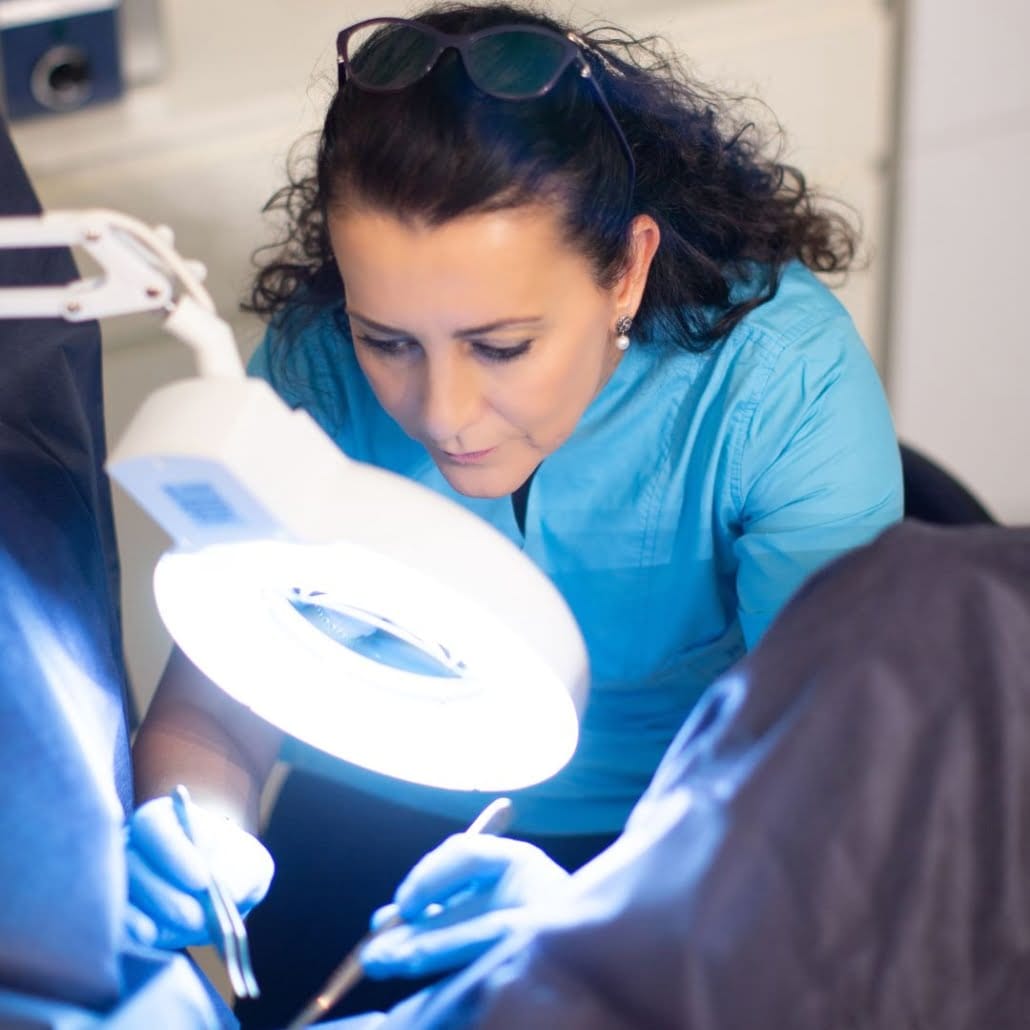
LABIAPLASTY CONSULTATION
Before surgery, Dr. Berra Önsoy evaluates your individual anatomy, concerns and expectations.
For patients considering labiaplasty in Turkey, this consultation is an important opportunity to discuss individual expectations and treatment options.
During the consultation, you can discuss:
- What you would like to change
- Any discomfort or functional concerns
- Previous childbirth or gynaecological procedures
- Your medical history
- Your expectations regarding appearance
- The surgical approach that may be appropriate for you
- Anaesthesia options
- Recovery and aftercare
The purpose of the consultation is not simply to decide whether surgery can be performed. It is also an opportunity to determine whether labiaplasty is the right procedure for you.
When Can I Have Sex After Labiaplasty?
Sexual intercourse should be avoided during the early healing period.
The exact timing depends on how your wounds are healing and your surgeon’s assessment. NHS guidance recommends avoiding sex for at least four weeks following labiaplasty.
It is important not to resume sexual activity simply because you feel better. The tissues need sufficient time to heal, and premature friction or pressure may interfere with recovery.
Your doctor will tell you when it is appropriate to resume sexual activity.
When Can I Exercise After Labiaplasty?
Light movement and walking may usually be introduced gradually, but activities that create pressure or friction around the vulva should be avoided during the early healing period.
Running, cycling, weight training and other strenuous activities may need to be postponed for several weeks.
NHS guidance generally recommends avoiding physical activity for approximately four to six weeks, although your individual recovery plan may be different.
Can I Fly After Labiaplasty?
International patients often ask when they can safely return home after surgery.
The appropriate timing depends on the procedure, your recovery and your surgeon’s assessment. Flying too soon after surgery may be uncomfortable and may make access to medical care more difficult if a complication occurs.
If you are travelling to Istanbul for labiaplasty, your travel schedule should therefore be planned around your medical care rather than simply choosing the shortest possible stay.
At Anew You Travel, we help international patients organise their treatment and travel arrangements around their individual surgical plan.
Is Labiaplasty Painful?
Some discomfort, tenderness and swelling are expected after labiaplasty.
The level of discomfort varies between patients and depends on the surgical technique and individual healing response.
Your doctor will explain how to manage discomfort after surgery and which medications may be appropriate for you.
What Are the Risks of Labiaplasty?
As with any surgical procedure, labiaplasty has potential risks and complications.
These may include:
- Bleeding
- Infection
- Swelling and bruising
- Wound separation
- Scarring
- Changes in sensitivity
- Persistent discomfort
- Asymmetry
- Dissatisfaction with the cosmetic result
- The possibility of revision surgery
NHS patient guidance also notes that labiaplasty may occasionally result in scarring or reduced genital sensitivity, while general surgical risks such as blood clots or reactions to anaesthesia can also occur.
A consultation is essential so that you can understand the potential benefits, limitations and risks before deciding whether to proceed.
Can Labiaplasty Improve Sexual Function?
Women may seek labiaplasty because of discomfort during sexual activity, but the procedure should not be presented as a guaranteed way to improve sexual function.
Sexual experience is influenced by many physical, psychological and relationship factors. The outcome of surgery varies between individuals.
For this reason, realistic expectations and an individual medical assessment are important before surgery.
Will Labiaplasty Affect Sensitivity?
The vulval area contains sensitive nerves, and any surgery in this region can potentially affect sensation.
Changes in sensitivity can occur following labiaplasty, which is one of the risks that should be discussed during the consultation.
Your surgeon should explain the anatomy involved, the proposed surgical approach and the potential risks before you make your decision.
Labiaplasty After Childbirth
Pregnancy and childbirth can change the appearance and feel of the vulval tissues.
Some women consider labiaplasty after childbirth because of changes in the labia or persistent discomfort.
However, surgery is not automatically necessary after childbirth. If you have pain, irritation, scarring or other symptoms, these should first be assessed to determine their cause and whether another treatment may be more appropriate.
Labiaplasty in Turkey for International Patients
Turkey is a popular destination for international patients seeking a range of surgical and medical treatments.
For patients considering labiaplasty in Istanbul, choosing surgery abroad involves more than choosing a surgeon.
International patients considering labiaplasty in Turkey often have questions about travel, accommodation, recovery and returning home after surgery.
Anew You Travel supports international patients throughout the treatment journey in Istanbul.
Depending on your individual treatment plan, our support may include:
- Initial communication and consultation coordination
- Treatment planning
- Hospital and appointment arrangements
- Airport transfer assistance
- Hotel reservation assistance
- Support during your stay in Istanbul
- Coordination with your medical team
- Post-operative follow-up arrangements
Our aim is to make the process clear and organised, while your medical decisions remain between you and your doctor.
How Long Should I Stay in Turkey for Labiaplasty?
The recommended length of stay depends on your individual procedure and your surgeon’s assessment.
Although the surgical procedure itself may be relatively short, international patients should allow enough time for medical review and early recovery before travelling home.
Your personalised travel schedule will be discussed with you before surgery.
How Much Does Labiaplasty Cost in Turkey?
The cost of labiaplasty in Turkey varies depending on several factors, including:
- The complexity of the procedure
- The surgical technique
- Anaesthesia
- Hospital or surgical facility fees
- Pre-operative assessment
- Post-operative follow-up
- Whether additional procedures are performed
- The services included in an international patient package
For this reason, an accurate price should be provided after your medical assessment rather than using a single standard price for every patient.
How to Choose a Labiaplasty Surgeon
If you are choosing labiaplasty in Turkey, it is important to look beyond the procedure itself and consider the surgeon’s experience, consultation process and post-operative care.
Choosing a surgeon is one of the most important decisions when considering labiaplasty.
If you are considering labiaplasty in Turkey, it is important to look beyond the procedure itself and consider the surgeon’s experience, consultation process and post-operative care.
Before booking surgery, you may want to ask:
- What is the doctor’s relevant medical specialty and experience?
- How frequently does the doctor perform this procedure?
- Will I have a consultation before surgery?
- What technique is recommended for my anatomy and why?
- What are the possible risks and complications?
- What does the recovery period involve?
- Who will provide follow-up care?
- What happens if I develop a complication after returning home?
A good consultation should give you enough information to make an informed decision without pressure.
Why Choose Dr. Berra Önsoy for Labiaplasty in Istanbul?
Dr. Berra Önsoy is a gynaecologist providing personalised women’s health and surgical care in Istanbul.
Labiaplasty is approached as an individual procedure rather than a one-size-fits-all treatment. Your anatomy, concerns, expectations and overall medical history are considered when developing your treatment plan.
For international patients, Anew You Travel also provides coordination and practical support throughout the treatment journey.
Frequently Asked Questions About Labiaplasty
Is labiaplasty a major surgery?
Labiaplasty is generally performed as a relatively short surgical procedure, but it is still surgery and carries potential risks. The recovery period should be taken seriously.
How long does labiaplasty take?
The operation commonly takes around one to two hours, although the exact duration varies depending on the technique and individual case.
How long does it take to recover from labiaplasty?
Initial swelling and discomfort usually improve over the first couple of weeks, while complete healing can take longer. Your surgeon will provide a personalised recovery plan.
When can I return to work after labiaplasty?
This depends on your occupation and recovery. Patients with physically demanding jobs may need more time than those who can work comfortably from home or at a desk.
When can I exercise after labiaplasty?
Strenuous exercise generally needs to be avoided during the early recovery period. NHS guidance suggests around four to six weeks for physical activity, but your surgeon’s individual advice should take priority.
When can I have sex after labiaplasty?
Sexual intercourse should generally be avoided during the early healing period. NHS guidance recommends waiting at least four weeks, while your surgeon may recommend a different timeframe depending on your recovery.
Does labiaplasty leave scars?
Labiaplasty involves surgical incisions, so some degree of scarring is possible. Scars generally become less noticeable as the tissues heal, but the final appearance varies between individuals.
Can labiaplasty correct asymmetry?
Labiaplasty can be used to reshape or reduce asymmetrical labial tissue when this is appropriate. However, perfect symmetry is not always achievable or medically necessary.
Is labiaplasty suitable for everyone?
No. A consultation is necessary to determine whether the procedure is appropriate for you and whether your concerns may have another medical cause.
Can I have labiaplasty after childbirth?
Some women consider labiaplasty after childbirth, but the timing and suitability depend on individual healing, anatomy and medical circumstances.
Is labiaplasty permanent?
Labiaplasty removes and reshapes tissue, so the surgical changes are intended to be long-lasting. However, natural ageing, hormonal changes, pregnancy and future childbirth can affect the appearance of the vulval tissues over time.
Start Your Labiaplasty Consultation in Istanbul
If you are considering labiaplasty in Turkey, the first step is an individual consultation.
Your concerns, medical history, anatomy, expectations and treatment options can be discussed before you make any decision about surgery.
If you are considering labiaplasty in Turkey, Contact Anew You Travel to arrange a consultation with Dr. Berra Önsoy.
- OPERATION PROCESS