
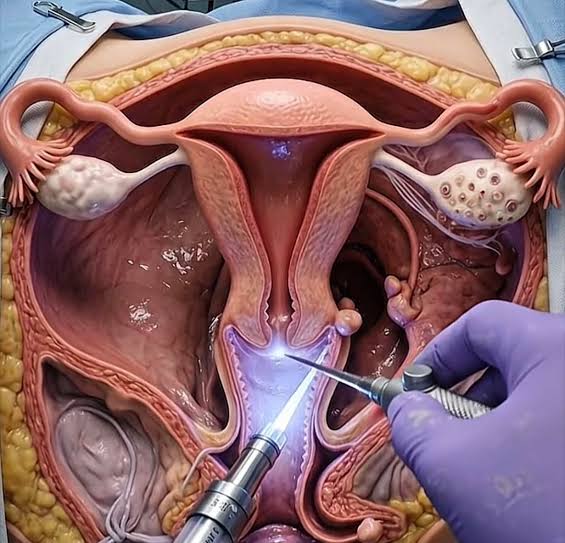
Childbirth trauma refers to injuries that may occur to the pelvic floor muscles, perineal tissues and surrounding structures during vaginal delivery. While some birth injuries heal naturally, others can lead to long-term problems such as urinary incontinence, difficulty controlling wind and bowel leakage.
These symptoms should not simply be accepted as a normal part of motherhood. With an accurate diagnosis and appropriate treatment, many childbirth-related pelvic floor problems can be managed or improved.
These symptoms can affect confidence, intimate relationships and everyday quality of life.
But are these problems simply part of motherhood? Why do some women develop pelvic floor damage after vaginal delivery? And, most importantly, can childbirth-related injuries be treated?
Understanding the possible effects of childbirth is the first step towards getting the right assessment and treatment.
What Is Childbirth Trauma and Pelvic Floor Damage?
The pelvic floor is a group of muscles and connective tissues that support the bladder, uterus, vagina and rectum. These structures play an essential role in bladder and bowel control, pelvic organ support and sexual function.
During vaginal childbirth, the pelvic floor and surrounding tissues stretch to allow the baby to pass through the birth canal. Although this is a natural process, some women experience injuries that affect these structures.
Childbirth-related injuries can involve:
- Vaginal and perineal tears
- Pelvic floor muscle damage
- Damage to the connective tissues supporting the pelvic organs
- Injury to the anal sphincter muscles
- Nerve and soft tissue damage
One particularly important type of injury is an obstetric anal sphincter injury (OASI), which involves damage to the muscles responsible for controlling bowel movements and passing wind.
What Are Third- and Fourth-Degree Tears?
Perineal tears are classified according to their depth and the tissues involved.
First-degree tear: Involves the vaginal lining and perineal skin.
Second-degree tear: Extends into the perineal muscles.
Third-degree tear: Extends into the anal sphincter muscles, which help control bowel movements and wind.
Fourth-degree tear: Extends through the anal sphincter and into the lining of the rectum.
Third- and fourth-degree tears are collectively known as obstetric anal sphincter injuries (OASIS).
These injuries require accurate diagnosis and appropriate surgical repair at the time of delivery. Follow-up care is also important to identify any ongoing symptoms or complications.
What Increases the Risk of Pelvic Floor Injury During Childbirth?
Not every vaginal birth results in significant pelvic floor damage. However, certain factors are associated with an increased risk of more severe perineal injuries.
1. Prolonged Labour
A prolonged second stage of labour may increase the pressure and stretching experienced by the pelvic floor and perineal tissues.
2. A Large Baby
A higher birth weight, particularly when the baby is macrosomic, may increase the risk of severe perineal tears and anal sphincter injury.
3. First Vaginal Birth
Women having their first vaginal birth have a higher risk of certain severe perineal tears compared with women who have previously given birth vaginally.
4. Assisted Vaginal Delivery
The use of instruments such as forceps or vacuum extraction may increase the risk of obstetric anal sphincter injuries in certain circumstances.
Having one or more of these risk factors does not mean that an injury will definitely occur. Appropriate obstetric care, careful examination and early recognition of injuries are essential.
Symptoms of Pelvic Floor Damage After Childbirth
Some childbirth-related injuries are identified immediately after delivery. Others may become noticeable weeks, months or even years later.
Common symptoms include:
Urinary Incontinence After Childbirth
Do you leak urine when coughing, sneezing, laughing, exercising or lifting something?
Stress urinary incontinence can develop when the muscles and supporting structures responsible for bladder control become weakened or damaged.
Some women may also experience a sudden and urgent need to urinate, sometimes before reaching the toilet.
Bowel Incontinence After Childbirth
Bowel incontinence refers to difficulty controlling the passage of stool.
Women affected by this condition may experience:
- Difficulty holding in wind
- Accidental leakage of stool
- Sudden bowel urgency
- Difficulty reaching the toilet in time
- Reduced control over bowel movements
These symptoms can be associated with damage to the anal sphincter muscles during childbirth.
Vaginal Pressure or a Bulging Sensation
Weakening of the pelvic floor support structures may contribute to pelvic organ prolapse.
Some women describe a feeling of heaviness, pressure or a bulge in the vagina, particularly after standing for long periods.
Pain During Sexual Intercourse
Childbirth-related tissue injuries, scarring, pelvic floor muscle dysfunction and changes during healing may contribute to discomfort or pain during sexual intercourse.
Persistent pain should be assessed rather than accepted as an unavoidable consequence of childbirth.
Is Urinary or Bowel Leakage Normal After Giving Birth?
Temporary changes in bladder and bowel function can occur after childbirth. However, persistent or significant urinary leakage, loss of bowel control or involuntary passing of wind should not be dismissed as simply a normal part of motherhood.
The anal sphincter muscles are particularly important for controlling bowel movements. If these muscles are torn or do not heal properly, a woman may develop anal incontinence.
A proper medical assessment can help identify whether the symptoms are related to pelvic floor weakness, an anal sphincter injury, nerve damage or another condition.
You do not have to feel embarrassed about discussing these symptoms with your gynaecologist.
How Is Pelvic Floor Damage Diagnosed?
Diagnosis begins with a detailed discussion of the patient’s pregnancy, delivery history and current symptoms.
Depending on the findings, an assessment may include:
- A gynaecological and pelvic floor examination
- Assessment of the perineum and anal sphincter function
- Endoanal ultrasound to examine the anal sphincter muscles
- Anorectal manometry to assess anal sphincter function and pressures
- Additional investigations for urinary incontinence or pelvic organ prolapse, when indicated
Not every patient requires all these investigations. The diagnostic approach should be tailored to the individual’s symptoms and clinical findings.
Can Pelvic Floor Damage After Childbirth Be Treated?
Yes. There are treatment options for many childbirth-related pelvic floor problems. The most appropriate approach depends on the type and severity of the injury.
Pelvic Floor Physiotherapy
Pelvic floor physiotherapy can help women improve muscle coordination, strength and control.
Exercises such as Kegels may be recommended when appropriate. However, pelvic floor rehabilitation is not simply about strengthening muscles. Some women may have muscles that are overactive, poorly coordinated or unable to relax properly.
A personalised assessment helps determine the most suitable rehabilitation programme.
Surgical Treatment for Anal Sphincter Damage
Women with a persistent structural defect of the anal sphincter and troublesome bowel incontinence may be assessed for secondary surgical repair.
The decision depends on the extent of the injury, the function of the remhttps://anewyoutravel.com/gynecology/urinary-incontinence/aining muscle, symptoms and investigation results.
Treatment for Other Pelvic Floor Problems
Some women may also develop pelvic organ prolapse, urinary incontinence or persistent perineal discomfort following childbirth.
Depending on the diagnosis, treatment options may include physiotherapy, conservative management, medication or surgery.
There is no single treatment suitable for every woman. A personalised treatment plan is essential.
When Should You See a Gynaecologist After Childbirth?
You should consider a medical assessment if you experience:
- Urine leakage after giving birth
- Difficulty controlling wind or bowel movements
- Persistent pelvic or perineal pain
- A feeling of vaginal heaviness or bulging
- Pain during sexual intercourse
- Ongoing symptoms following a diagnosed third- or fourth-degree tear
Early assessment can help identify the underlying cause and prevent women from living with symptoms that may be treatable.
Pelvic Floor Assessment and Treatment in Istanbul, Turkey
Women experiencing childbirth-related pelvic floor problems deserve to have their concerns taken seriously.
At Dr. Berra Önsoy’s gynaecology practice in Istanbul, patients can seek an individual assessment of their gynaecological and pelvic floor concerns.
For international patients considering treatment in Turkey, the first step is to understand the underlying condition, discuss suitable diagnostic investigations and determine whether conservative or surgical treatment may be appropriate.
Treatment recommendations should always be based on an individual medical assessment, rather than symptoms alone.
You do not have to accept urinary leakage, bowel control problems or pelvic discomfort as an inevitable part of motherhood.
Contact Dr. Berra Önsoy to discuss your symptoms and explore the available assessment and treatment options in Istanbul.
Frequently Asked Questions
1. Can childbirth cause permanent pelvic floor damage?
Some childbirth-related injuries heal over time, while others may cause persistent muscle, connective tissue or anal sphincter problems. The outcome depends on the nature and severity of the injury and the treatment received.
2. Why do I leak urine after having a baby?
Urinary leakage can occur when the pelvic floor muscles and supporting tissues are weakened or injured during pregnancy
and childbirth. An assessment can help identify the type of incontinence.
3. Why am I passing wind involuntarily after childbirth?
Difficulty controlling wind may be associated with an injury to the anal sphincter muscles or pelvic floor dysfunction. Persistent symptoms should be assessed by a healthcare professional.
4. Can childbirth cause bowel incontinence?
Yes. Severe perineal tears involving the anal sphincter can affect bowel control and may lead to accidental leakage of wind or stool.
5. What is an obstetric anal sphincter injury (OASI)?
OASI is an injury to the anal sphincter muscles sustained during childbirth. It is classified as a third- or fourth-degree tear, depending on the extent of the damage.
6. Can pelvic floor damage be repaired surgically?
Some structural injuries, including selected anal sphincter defects, may be suitable for surgical repair. Other conditions may respond better to physiotherapy or conservative treatment.
7. How long after childbirth can pelvic floor problems appear?
Some symptoms occur immediately after delivery, while others become noticeable months or years later. New or persistent symptoms should be investigated.
8. Can I seek pelvic floor treatment in Istanbul, Turkey?
Yes. International patients can arrange a gynaecological assessment in Istanbul to discuss their symptoms, investigations and potential treatment options. Suitability for treatment must be determined individually.
This article is intended for educational purposes only and does not replace an individual medical consultation.
