
Do you experience a feeling of pressure or heaviness in your vagina? Have you noticed a bulge inside or around the vaginal opening? Do you sometimes feel as though something is coming down when standing, walking or exercising?
These symptoms may be signs of vaginal prolapse, a condition that can affect women’s pelvic health, comfort and quality of life.
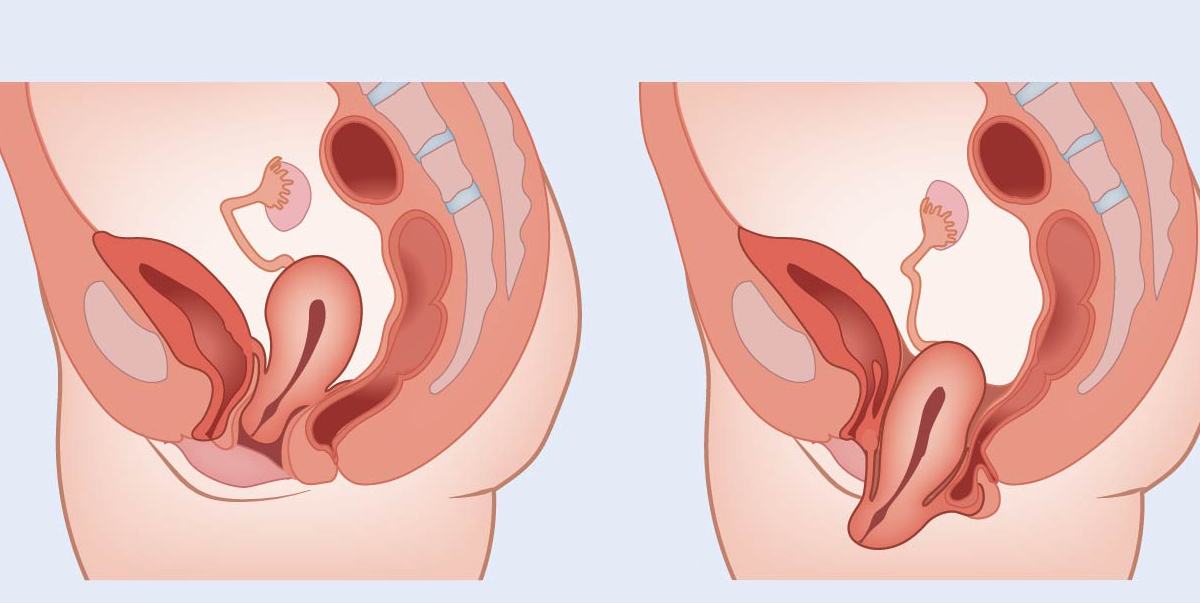
Medically known as pelvic organ prolapse (POP), vaginal prolapse occurs when the muscles and connective tissues supporting the pelvic organs become weakened. As a result, the uterus, bladder or bowel may descend from their normal position and bulge into the vaginal canal.
Although pelvic organ prolapse is more common after childbirth and during or after menopause, it can affect women at different stages of life. Some women experience mild symptoms, while others develop a noticeable vaginal bulge, urinary difficulties or discomfort during sexual intercourse.
The good news is that several treatment options are available. Depending on the type and severity of the prolapse, treatment may include pelvic floor exercises, vaginal pessaries, lifestyle changes or surgical repair.
In this guide, we explain what vaginal prolapse is, its common symptoms and causes, how it is diagnosed, and which treatment options may be suitable.
If you are considering treatment abroad, we also explain what international patients should know when exploring vaginal prolapse surgery in Turkey.
What Is Vaginal Prolapse?
Vaginal prolapse is a condition in which one or more pelvic organs move downwards from their normal anatomical position due to weakened pelvic floor muscles and supporting tissues.
The pelvic floor is a group of muscles, ligaments and connective tissues that support the bladder, uterus, rectum and other pelvic structures.
When these supporting structures become stretched or weakened, the organs may descend and push against the vaginal walls. In more advanced cases, the bulging tissue may extend beyond the vaginal opening.
This condition is medically referred to as pelvic organ prolapse (POP).
Vaginal prolapse is not a single condition. It can involve different pelvic organs, and more than one type of prolapse may occur at the same time.
What Are the Different Types of Pelvic Organ Prolapse?
The type of prolapse is determined by the organ involved and the part of the vaginal wall affected.
1. Uterine Prolapse (Womb Prolapse)
Uterine prolapse occurs when the uterus descends into the vaginal canal because the supporting muscles and ligaments have weakened.
In more advanced cases, the cervix or uterus may protrude through the vaginal opening.
Women with uterine prolapse may experience pelvic pressure, vaginal heaviness, a visible bulge or discomfort during daily activities.
2. Bladder Prolapse (Cystocele)
A bladder prolapse, medically known as cystocele, occurs when the bladder pushes against the front wall of the vagina.
This may cause urinary symptoms such as:
- Urinary leakage, particularly when coughing or sneezing.
- Frequent or urgent urination.
- Difficulty emptying the bladder completely.
- A feeling of pressure or fullness in the vagina.
3. Bowel Prolapse (Rectocele)
A rectocele occurs when the rectum bulges into the back wall of the vagina.
It may cause constipation, difficulty passing stools, straining during bowel movements or a sensation that the bowel has not emptied completely.
4. Vaginal Vault Prolapse
Vaginal vault prolapse can develop in women who have previously undergone a hysterectomy (surgical removal of the uterus).
When the supporting tissues at the top of the vagina become weakened, the vaginal vault may descend into the vaginal canal.
The most appropriate treatment depends on the affected organ, the severity of the prolapse and the patient’s individual circumstances.
What Are the Symptoms of Vaginal Prolapse?
Vaginal prolapse symptoms can vary significantly from one woman to another.
Some women may have no noticeable symptoms, particularly in the early stages. Others may experience persistent discomfort that affects their daily routines, physical activities and intimate relationships.
Common symptoms of vaginal prolapse include:
- A feeling of heaviness or pressure in the vagina.
- A sensation that something is pulling downwards.
- A visible or noticeable bulge inside the vagina.
- Tissue protruding from the vaginal opening.
- Discomfort when standing or walking for long periods.
- Lower abdominal or pelvic pressure.
- Urinary leakage or stress incontinence.
- Frequent urination or difficulty emptying the bladder.
- Constipation or difficulty passing stools.
- Discomfort or pain during sexual intercourse.
- A feeling of incomplete bowel emptying.
Some women notice that their symptoms become more pronounced towards the end of the day or after standing for extended periods.
A vaginal bulge, persistent pelvic pressure or changes in bladder and bowel function should not be ignored.
If you notice a lump or bulge in or around your vagina, a gynaecological examination can help identify the underlying cause and determine whether pelvic organ prolapse is present.
What Causes Vaginal Prolapse?
The main cause of vaginal prolapse is weakening or damage to the muscles, ligaments and connective tissues that support the pelvic organs.
These structures can lose their strength and ability to provide adequate support due to pregnancy, childbirth, hormonal changes, ageing and increased pressure within the abdomen.
The most common risk factors include:
Pregnancy and Vaginal Childbirth
Pregnancy places additional pressure on the pelvic floor. During vaginal childbirth, the pelvic muscles and supporting tissues may stretch or become damaged.
The risk of pelvic organ prolapse may increase after multiple vaginal deliveries, although prolapse can also occur in women who have had a caesarean section or have never given birth.
Ageing
As women get older, changes in muscle strength and connective tissue can affect the support provided to the pelvic organs.
Menopause and Reduced Oestrogen Levels
Oestrogen plays an important role in maintaining the health of vaginal and pelvic tissues. Following menopause, lower oestrogen levels may contribute to changes in tissue strength and elasticity.
Chronic Constipation
Repeated straining during bowel movements increases pressure on the pelvic floor and may contribute to the development or worsening of prolapse.
Being Overweight
Excess body weight can increase pressure on the pelvic floor, potentially contributing to pelvic organ prolapse.
Heavy Lifting and Physical Strain
Repeatedly lifting heavy objects or performing activities that place excessive pressure on the abdomen may put additional strain on the pelvic floor.
Chronic Coughing
Persistent coughing can repeatedly increase intra-abdominal pressure and place additional stress on the supporting structures.
Having one or more of these risk factors does not necessarily mean that a woman will develop vaginal prolapse. Individual anatomy, genetics and overall health also play a role.
Who Is at Risk of Pelvic Organ Prolapse?
Pelvic organ prolapse can affect women of different ages, but certain factors may increase the likelihood of developing the condition.
Women who may have a higher risk include those who:
- Have had one or more vaginal deliveries.
- Are approaching or have passed menopause.
- Are over the age of 50.
- Have a history of chronic constipation.
- Are overweight.
- Regularly lift heavy objects.
- Have a chronic cough.
- Have previously undergone pelvic surgery.
It is important to understand that vaginal prolapse is not exclusively an age-related condition. Younger women can also experience pelvic floor weakness and prolapse, particularly following pregnancy and childbirth.
How Is Vaginal Prolapse Diagnosed?
An accurate diagnosis is essential for determining the most appropriate treatment.
Vaginal prolapse is usually diagnosed through a gynaecological examination. During the examination, the doctor assesses the position of the pelvic organs, the vaginal walls and the supporting tissues.
The examination may include:
Pelvic Examination
The doctor examines the vaginal walls and uterus to identify any signs of prolapse. You may be asked to cough or bear down to make the extent of the prolapse more visible.
POP-Q Assessment
The Pelvic Organ Prolapse Quantification (POP-Q) system is a standardised method used to assess and document the anatomical position of the pelvic organs.
It helps determine the type and stage of prolapse and can be useful when planning treatment.
Bladder Assessment
If you experience urinary symptoms, additional tests may be recommended. These may include a bladder scan to check whether the bladder empties completely.
Further Investigations
Depending on your symptoms and medical history, your doctor may recommend additional investigations to assess bladder or bowel function.
Not every patient requires all of these tests. The diagnostic process is tailored to the individual’s symptoms and clinical findings.
What Are the Stages of Vaginal Prolapse?
Pelvic organ prolapse is generally classified into four stages according to how far the affected organ has descended.
Stage 1 – Mild Prolapse
The pelvic organ has descended slightly, but the prolapse remains well above the vaginal opening. Symptoms may be mild or absent.
Stage 2 – Moderate Prolapse
The prolapse has descended closer to or reached the level of the vaginal opening.
Stage 3 – Advanced Prolapse
The affected tissue extends beyond the vaginal opening, particularly during straining.
Stage 4 – Severe Prolapse
This represents the most advanced stage, in which most or all of the affected organ may protrude outside the vaginal opening.
The stage of prolapse is an important part of the assessment, but it does not automatically determine whether surgery is necessary.
The patient’s symptoms, quality of life, general health and personal preferences must also be considered.
What Are the Treatment Options for Vaginal Prolapse?
There is no single treatment suitable for every woman with vaginal prolapse.
The most appropriate approach depends on several factors, including:
- The type and stage of prolapse.
- The severity of symptoms.
- The patient’s age and general health.
- Previous pregnancies and childbirth history.
- Whether the patient plans to have children in the future.
- Personal expectations and preferences.
Treatment options may include non-surgical management or surgical repair.
1. Pelvic Floor Exercises (Kegel Exercises)
Pelvic floor muscle training is often recommended for women with mild or moderate pelvic organ prolapse.
Kegel exercises involve repeatedly contracting and relaxing the pelvic floor muscles to improve their strength and function.
When performed correctly and consistently, these exercises may help reduce symptoms and improve pelvic floor support.
A specialist women’s health physiotherapist can help identify the correct muscles and develop an appropriate exercise programme.
It is important to understand that pelvic floor exercises do not necessarily reverse an established anatomical prolapse, particularly in more advanced cases.
2. Vaginal Pessary
A vaginal pessary is a removable medical device, usually made of silicone or plastic, that is inserted into the vagina to provide support to the pelvic organs.
It may be recommended for women who:
- Prefer to avoid surgery.
- Have medical conditions that make surgery less suitable.
- Are planning future pregnancies.
- Want to manage their symptoms without an operation.
Different types and sizes of pessaries are available. A healthcare professional should determine the most suitable option and provide guidance on fitting, removal, cleaning and follow-up.
3. Lifestyle Changes
Lifestyle modifications may help reduce pressure on the pelvic floor and manage prolapse symptoms.
These may include:
- Maintaining a healthy body weight.
- Preventing and treating constipation.
- Avoiding repeated heavy lifting.
- Managing chronic coughing.
- Following an appropriate exercise routine.
- Seeking professional advice about activities that increase pelvic floor pressure.
In some postmenopausal women, vaginal oestrogen may also be considered to manage associated vaginal and urinary symptoms, depending on their medical history.
4. Vaginal Prolapse Surgery
For women with more advanced prolapse or symptoms that significantly affect daily life, surgical treatment may be considered.
Vaginal prolapse surgery aims to restore support to the affected pelvic organs and improve the anatomical position of the vaginal walls.
The surgical approach depends on the type of prolapse and the patient’s individual needs.
Common surgical procedures may include:
Anterior Vaginal Wall Repair (Anterior Colporrhaphy)
This procedure is used to repair a bladder prolapse (cystocele). The weakened supporting tissues of the front vaginal wall are repaired to improve bladder support.
Posterior Vaginal Wall Repair (Posterior Colporrhaphy)
This procedure is used to repair a rectocele. The supporting tissues of the back vaginal wall are strengthened to provide better support to the rectum.
Uterine Prolapse Surgery
Different surgical techniques can be used to treat uterine prolapse.
Depending on the patient’s condition and preferences, treatment may involve supporting and repositioning the uterus while preserving it, or performing a hysterectomy combined with appropriate pelvic support surgery.
Vaginal Vault Suspension
For women who have previously undergone a hysterectomy, surgical techniques may be used to restore support to the top of the vagina.
The choice of procedure requires careful consideration of the patient’s anatomy, symptoms, general health and future reproductive plans.
Not all prolapse operations involve the same techniques or materials. The potential benefits, complications and recurrence risks should be discussed before surgery, including the use of surgical mesh where relevant.
What Happens After Vaginal Prolapse Surgery?
Recovery following vaginal prolapse surgery varies depending on the procedure performed, the patient’s general health and the extent of the repair.
Some women may return to light daily activities relatively early, while complete recovery takes longer.
During the recovery period, patients are generally advised to:
- Avoid heavy lifting until medically cleared.
- Avoid excessive physical strain.
- Prevent constipation and avoid straining during bowel movements.
- Follow the surgeon’s instructions regarding walking and daily activities.
- Avoid sexual intercourse until the surgical team confirms it is safe.
- Attend all recommended post-operative appointments.
The recovery period and restrictions should always be individualised.
For international patients travelling to Turkey, it is particularly important to discuss the length of stay, post-operative follow-up and fitness to fly with the treating surgeon before making travel arrangements.
Flying too soon after surgery may not be appropriate. The timing of return travel should be based on the specific procedure, the patient’s recovery and the surgeon’s medical advice.
Can Vaginal Prolapse Affect Sexual Life?
Yes. Pelvic organ prolapse can affect sexual comfort and confidence in different ways.
Some women experience discomfort, pressure or pain during sexual intercourse due to changes in vaginal anatomy.
Others may feel self-conscious about a vaginal bulge or worry about urinary leakage during intimacy.
The impact varies considerably. Not every woman with vaginal prolapse experiences sexual difficulties.
Appropriate assessment and individualised treatment may help improve physical comfort and quality of life.
When surgery is being considered, it is important to discuss expectations regarding sexual function and any possible changes following the procedure.
Can Vaginal Prolapse Go Away on Its Own?
Vaginal prolapse does not usually disappear completely without treatment, particularly when there is a significant anatomical change.
However, symptoms may remain stable, improve or worsen over time.
Pelvic floor exercises, lifestyle changes and pessary treatment can help manage symptoms in suitable patients.
More advanced prolapse may require surgical treatment if symptoms significantly affect the patient’s quality of life.
A gynaecological examination is the best way to determine the extent of the prolapse and discuss suitable treatment options.
What Happens If Vaginal Prolapse Is Left Untreated?
Vaginal prolapse is not generally a life-threatening condition, and not every patient requires immediate treatment.
However, symptoms may become more noticeable over time in some women.
If prolapse progresses, it may contribute to:
- Increasing vaginal pressure and discomfort.
- A more noticeable vaginal bulge.
- Urinary leakage or difficulty emptying the bladder.
- Recurrent urinary tract symptoms.
- Constipation and difficulty passing stools.
- Discomfort during sexual intercourse.
- Irritation or ulceration of exposed vaginal tissue in advanced cases.
If you develop difficulty passing urine, unexpected vaginal bleeding or sores on exposed tissue, you should seek medical assessment promptly.
Vaginal Prolapse Surgery in Turkey: What Should International Patients Know?
Turkey is a destination considered by international patients when researching gynaecological procedures and treatment abroad.
Women considering vaginal prolapse surgery in Turkey should focus on choosing an appropriate medical team, understanding the proposed procedure and planning their recovery carefully.
The first step should always be an individual medical assessment.
1. Medical Assessment Before Travelling
Before travelling to Turkey, international patients should provide relevant medical information, previous operation reports and details of their current symptoms.
Medical records can help the doctor understand the patient’s history and assess whether an in-person examination and further investigations are required.
A remote consultation may be useful for an initial discussion, but it cannot replace a physical examination when one is clinically necessary.
2. Choosing the Right Surgical Approach
Not every woman with pelvic organ prolapse needs the same operation.
The treatment plan should consider:
- The type and stage of prolapse.
- Whether the uterus can and should be preserved.
- Bladder and bowel symptoms.
- Previous pelvic operations.
- General health and medical history.
- The patient’s expectations and future pregnancy plans.
A personalised treatment plan should be discussed with the gynaecologist, including the benefits, risks and alternatives to surgery.
3. Understanding Recovery and Travel Arrangements
Patients travelling internationally should plan their stay according to the procedure and the expected recovery period.
It is important to discuss:
- The recommended length of stay in Turkey.
- The timing of post-operative examinations.
- When it may be safe to travel home.
- Restrictions on physical activity.
- How follow-up care will be arranged after returning home.
There is no universal travel timeline that applies to every patient. The treating surgeon should confirm when the patient is medically fit to fly.
4. Follow-Up Care After Returning Home
Post-operative care remains important after returning to the patient’s home country.
Before travelling, international patients should understand how to contact their treating medical team, what symptoms require urgent assessment and how follow-up appointments will be organised.
Continuity of care is an essential part of planning any surgical treatment abroad.
Frequently Asked Questions About Vaginal Prolapse
Is vaginal prolapse the same as uterine prolapse?
No. Uterine prolapse is one type of pelvic organ prolapse. Vaginal prolapse is a broader term that may involve the uterus, bladder, rectum or the upper part of the vagina.
Can vaginal prolapse occur after childbirth?
Yes. Pregnancy and vaginal childbirth can stretch or damage the pelvic floor muscles and supporting tissues, increasing the risk of prolapse.
However, not every woman who gives birth develops pelvic organ prolapse.
Can younger women develop vaginal prolapse?
Yes. Although the condition becomes more common with age, younger women may also develop prolapse, particularly following pregnancy and childbirth or due to other pelvic floor risk factors.
Does vaginal prolapse cause urinary incontinence?
It can. Bladder prolapse and changes in pelvic floor support may be associated with urinary leakage, urgency, frequent urination or difficulty emptying the bladder.
However, urinary symptoms should be assessed individually because they may have other causes.
Can vaginal prolapse be treated without surgery?
Yes. Depending on the severity of the condition, treatment may include pelvic floor muscle training, vaginal pessaries and lifestyle modifications.
Surgery is generally considered when symptoms remain troublesome despite non-surgical treatment or when the patient and doctor decide that surgery is an appropriate option.
Is vaginal prolapse surgery painful?
The operation is performed under anaesthesia, so the patient does not feel the surgical procedure itself. Some discomfort, soreness or pain may occur during recovery.
Pain management and post-operative care are tailored to the individual patient and the procedure performed.
How long does it take to recover from vaginal prolapse surgery?
Recovery varies according to the surgical technique and the patient’s health. Many women need several weeks to recover, and restrictions on heavy lifting, exercise and sexual intercourse may continue during this period.
Your surgeon will provide an individual recovery plan.
Can vaginal prolapse return after surgery?
Yes. Although surgery aims to restore pelvic support and improve symptoms, prolapse can recur in some women.
The risk depends on several factors, including the type of operation, tissue quality, existing risk factors and individual healing.
Can I travel to Turkey for vaginal prolapse surgery?
International patients may explore treatment options in Turkey following an appropriate medical assessment.
Before making travel arrangements, it is important to discuss the proposed procedure, medical suitability, expected recovery period, length of stay and fitness to fly with the treating medical team.
Is vaginal prolapse surgery suitable for everyone?
No. Surgery is not necessary or appropriate for every patient. The decision depends on the patient’s symptoms, prolapse stage, general health, previous treatments and personal preferences.
A specialist assessment is required before a treatment recommendation can be made.
Discuss Your Vaginal Prolapse Treatment Options with Dr. Berra Önsoy
Living with vaginal prolapse can affect more than physical comfort. It may also influence confidence, intimate relationships and everyday activities.
However, you do not have to ignore your symptoms or assume that surgery is the only available solution.
Understanding the type and severity of your prolapse is the first step towards choosing an appropriate treatment.
Dr. Berra Önsoy-Anew Clinic; provides gynaecological assessment and discusses individual treatment options for women experiencing pelvic floor and prolapse-related problems.
If you are based in the UK or another country and are considering treatment in Turkey, you can enquire about an initial consultation to discuss your symptoms, medical history and possible treatment options.
Every patient is different. Your treatment plan, surgical approach and recovery arrangements should be determined following an appropriate medical evaluation.
Contact our team to learn more about vaginal prolapse treatment options and arrange a consultation with Dr. Berra Önsoy in Istanbul, Turkey.
