
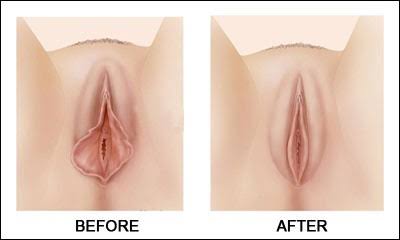
Labiaplasty is a surgical procedure that reshapes or reduces the labia, the folds of skin surrounding the vaginal opening. Women may consider labiaplasty because of physical discomfort, irritation, asymmetry, changes after childbirth or personal aesthetic concerns.
If you are considering the surgery, you may have questions about how the procedure is performed, whether labiaplasty is painful, how long recovery takes, when you can return to exercise or sexual activity, and what results you can expect.
This guide explains what you need to know about the procedure, including the procedure, recovery, risks, results and the factors to consider when choosing a surgeon.
What Is Labiaplasty?
Labiaplasty is a type of female genital surgery that reshapes or reduces the labia, most commonly the labia minora.
The appearance of the vulva naturally varies from woman to woman. Labia can differ in size, shape, colour, length and symmetry, and there is no single “normal” appearance.
The purpose of labiaplasty is therefore not to create one specific appearance. Instead, the procedure is individually planned according to the patient’s anatomy, symptoms and expectations.
A well-planned procedure aims to remove or reshape an appropriate amount of tissue while preserving natural function and sensation.
Why Do Women Have Labiaplasty?
Women choose this surgery for different reasons. For some, the main concern is physical discomfort, while for others it is the appearance or asymmetry of the labia.
Common reasons for considering labiaplasty include:
- Discomfort during exercise or cycling
- Rubbing or irritation from underwear or clothing
- Pulling or discomfort during sexual intercourse
- Difficulty wearing tight clothing
- Changes in the labia after childbirth
- Noticeable asymmetry
- Personal concerns about the appearance of the vulva
Some women experience both functional and aesthetic concerns.
The decision to undergo this operation is personal, and the reasons for considering surgery can be different for every patient.
Is Labiaplasty Only a Cosmetic Procedure?
It can be performed for both functional and aesthetic reasons.
Some women seek this treatment because prominent or elongated labial tissue causes rubbing, irritation or discomfort during exercise or sexual intercourse.
Other women are primarily concerned about the appearance or asymmetry of their labia.
During a consultation, the important consideration is not whether the vulva looks a particular way, but whether the patient’s concerns can be appropriately addressed with surgery.
What Happens During a Labiaplasty Procedure?
During procedure, the surgeon reshapes or reduces the labial tissue according to the patient’s individual anatomy.
Labiaplasty is performed under anaesthesia. The type of anaesthesia depends on the surgical plan, the patient’s health and the clinical setting.
The amount and location of tissue removed varies between patients. There is no single surgical technique that is appropriate for every woman.
One of the most important aspects of labiaplasty is preserving an appropriate amount of healthy tissue. Removing too much tissue may result in functional or aesthetic problems.
For this reason, the surgical technique should be selected after an individual examination and consultation.
How Long Does Labiaplasty Take?
The duration of the surgery depends on the surgical technique, the patient’s anatomy and whether another procedure is performed at the same time.
In many cases, the procedure takes approximately one to two hours.
Your surgeon can provide a more accurate estimate after assessing your anatomy and discussing your treatment plan.
Is Labiaplasty Painful?
One of the most common questions patients ask is, “Is it painful?”
It is performed under anaesthesia, so you should not feel pain during the operation.
After surgery, some discomfort is expected. Common temporary symptoms include:
- Swelling
- Bruising
- Tenderness
- Tightness
- Mild burning
- Increased sensitivity
These symptoms generally improve as the tissues heal.
Your surgeon may recommend appropriate pain relief and will provide instructions about hygiene, wound care and physical activity following the surgery.
Labiaplasty Recovery: How Long Does It Take?
The surgery recovery is gradual, and the exact recovery time varies from patient to patient.
The first few days are usually when swelling and discomfort are most noticeable. Swelling then gradually decreases over the following weeks.
Many patients can return to light daily activities within several days, depending on the extent of the surgery and their individual healing process.
However, activities that place pressure or friction on the vulvar area generally need to be avoided for longer.
Your surgeon’s postoperative instructions should always take priority over general recovery timelines found online.
When Can I Have Sex After Labiaplasty?
Patients are usually advised to avoid sexual intercourse until the surgical area has adequately healed.
A commonly recommended period is approximately 4–6 weeks after the surgery, although the exact timing depends on the individual patient and the healing process.
Feeling comfortable does not necessarily mean that the tissues have completely healed. Returning to sexual activity too early may increase irritation and interfere with healing.
Your surgeon should confirm when it is safe to resume sexual intercourse after the procedure.
When Can I Exercise After The Surgery?
Gentle movement and walking may be possible during the early recovery period, but strenuous exercise should initially be avoided.
Activities that create pressure or friction around the vulva, including:
- Cycling
- Spinning
- Running
- Heavy lower-body workouts
- Intense gym exercises
may need to be avoided for several weeks.
The timing of your return to exercise after this operation depends on your healing and the type of activity you want to resume.
How Long Does Swelling Last After Labiaplasty?
Swelling is one of the most common symptoms after labiaplasty.
It is usually most noticeable during the first few days and gradually decreases over the following weeks.
Temporary asymmetry can also occur because one side may swell more than the other.
For this reason, it is too early to judge the final result of labiaplasty during the first few weeks after surgery.
The appearance of the labia becomes clearer as swelling decreases and the tissues continue to heal.
What Does Labiaplasty Scarring Look Like?
Because this surgery involves surgical incisions, some degree of scarring is expected.
The incisions are generally placed along the natural contours of the labia. As healing progresses, scars often become less noticeable.
Scar appearance varies from patient to patient and can be influenced by:
- Individual healing characteristics
- Genetics
- Skin type
- Surgical technique
- Postoperative care
Your surgeon can explain what type of incision and closure technique is appropriate for your anatomy.
Can Labiaplasty Affect Sensitivity?
The labia contain sensitive nerve endings, which is why careful surgical planning is important.
Temporary numbness, increased sensitivity or changes in sensation can occur during the healing period after labiaplasty.
The goal of a properly planned procedure is to preserve normal function and sensation while addressing the patient’s concerns.
However, changes in sensation are a possible surgical risk and should be discussed with your surgeon before the procedure.
Does This Surgery Affect Sexual Pleasure?
Labiaplasty is not performed specifically to increase sexual pleasure.
However, women who experience pulling, irritation or discomfort during intercourse may notice an improvement in these symptoms after they have fully healed.
The effect on sexual satisfaction varies between individuals.
There is no guarantee that labiaplasty will improve sexual pleasure, and expectations should be discussed openly during consultation.
What Are the Risks of Labiaplasty?
Like any surgical procedure, labiaplasty has potential risks and complications.
These may include:
- Bleeding
- Infection
- Swelling
- Delayed wound healing
- Wound separation
- Scarring
- Changes in sensation
- Asymmetry
- Persistent discomfort
- Need for revision surgery
Understanding these potential risks is an important part of deciding whether this surgery is appropriate for you.
Following your surgeon’s postoperative instructions and attending follow-up appointments are also important parts of recovery.
Who Is a Good Candidate for Labiaplasty?
A suitable candidate for this surgical procedure is generally a healthy adult who has realistic expectations and understands the potential benefits and risks of surgery.
During a consultation, your surgeon may assess:
- Your medical history
- Your symptoms
- The anatomy of the vulva
- Previous childbirth or surgery
- Your expectations
- Any medications or medical conditions
- Whether another condition could explain your symptoms
Not every concern involving the vulvar area requires surgery. In some cases, another medical evaluation or treatment may be more appropriate.
Is There a Normal Labia?
There is a wide range of normal vulvar anatomy.
The labia naturally differ in:
- Length
- Width
- Shape
- Colour
- Symmetry
It is also completely normal for one side to be different from the other.
Social media and edited or carefully selected photographs can create unrealistic expectations about how the vulva should look.
Labiaplasty should not be based on comparison with an unrealistic ideal. A consultation should instead focus on your individual anatomy, symptoms and concerns.
Labiaplasty After Childbirth
Pregnancy and childbirth can change the appearance and sensation of the vulvar area.
Some women notice changes in the labia following vaginal delivery, while others experience changes related to hormonal fluctuations, ageing or changes in body weight.
If you are considering this treatment after childbirth, it is important to allow your body sufficient time to recover before making a decision about surgery.
Your doctor can determine whether your concerns are related to the labia themselves or to other changes involving the pelvic floor or genital area.
Labiaplasty in Turkey
Labiaplasty in Turkey is an option considered by both local and international patients.
If you are travelling to Turkey for labiaplasty, it is important to consider the complete treatment process rather than the surgery alone.
Before travelling, ask about:
- Who will perform your surgery
- Where the procedure will take place
- The type of anaesthesia
- Preoperative assessment
- Postoperative follow-up
- Recovery arrangements
- What support is available if a complication occurs
International patients should receive a clear treatment plan and understand the expected recovery period before travelling.
How Much Does Labiaplasty Cost?
The cost; varies depending on several factors.
These may include:
- The surgeon’s experience
- The surgical technique
- The complexity of the procedure
- Anaesthesia
- Hospital or clinic fees
- Postoperative care
- Additional procedures performed at the same time
For international patients, a treatment package may also include accommodation, airport transfers and other medical travel services.
Because each patient requires an individual assessment, a personalised quotation is more appropriate than relying on a single advertised labiaplasty cost.
How to Choose a Surgeon
Choosing an experienced and appropriately qualified surgeon is an important part of the labiaplasty process.
Before undergoing surgery, consider asking:
- What are the surgeon’s qualifications?
- How frequently does the surgeon perform labiaplasty?
- Which technique is recommended for your anatomy?
- Where will the procedure be performed?
- What type of anaesthesia will be used?
- How long is the expected recovery?
- What are the potential complications?
- How will postoperative follow-up be managed?
- What happens if revision surgery is required?
A detailed consultation should give you enough information to understand whether labiaplasty is appropriate for you.
Frequently Asked Questions
How long does labiaplasty recovery take?
Initial recovery usually takes several weeks. Swelling and tenderness generally improve gradually, while complete tissue healing and the final appearance may take longer.
Can I walk after labiaplasty?
Gentle walking is generally possible during recovery, but prolonged walking may be uncomfortable initially. Activities that create significant pressure or friction should be limited until your surgeon advises that they are safe.
When can I return to work after labiaplasty?
The time required depends on your occupation and the extent of surgery. Patients with sedentary jobs may return to work sooner than those whose work requires prolonged standing, walking or physical activity.
Can labiaplasty be combined with other procedures?
Yes. Depending on the patient’s anatomy and treatment goals, labiaplasty may sometimes be combined with other gynaecological or aesthetic procedures.
This should be discussed during an individual consultation.
Will the result of labiaplasty look natural?
The aim of a properly planned labiaplasty is to create a balanced result that respects the patient’s natural anatomy.
The final appearance depends on individual anatomy, surgical technique and the healing process.
Can labiaplasty be reversed?
This procedure involves removing or reshaping tissue, so it should be considered a permanent surgical procedure.
For this reason, it is important to have realistic expectations and discuss your concerns thoroughly with your surgeon before surgery.
Is labiaplasty safe?
This is a surgical procedure and, like all surgery, carries potential risks. A proper medical assessment, appropriate surgical planning and postoperative follow-up are important for patient safety.
Can I have labiaplasty after having children?
Yes, some women consider labiaplasty after pregnancy or childbirth.
However, your body should be given sufficient time to recover after childbirth before deciding whether surgery is appropriate. Your surgeon can assess your individual situation.
Final Thoughts on Labiaplasty
This treatment is an individualised surgical procedure that can address functional discomfort, asymmetry and aesthetic concerns involving the labia.
There is a wide range of normal vulvar anatomy, and there is no single ideal appearance.
If you are considering labiaplasty, an individual consultation with a qualified gynaecological surgeon can help you understand whether the procedure is appropriate for you, what technique may be suitable and what you can realistically expect from recovery and results.
